Explore the causes, symptoms, diagnosis, and treatment options for infertility, with practical Delhi‑specific advice and a clear roadmap to IVF at Fortis LaFemme Hospital under the care of Dr. Hrishikesh Pai.
Understanding Infertility
Infertility is defined as the inability to achieve a clinical pregnancy after 12 months of regular, unprotected intercourse. In India, couples often face social pressure to conceive early, making timely evaluation crucial. At Fortis LaFemme Hospital in Greater Kailash II, Delhi, Dr. Hrishikesh Pai — a specialist in assisted reproductive technology (ART) — offers a patient‑centred approach that blends the latest IVF protocols with culturally sensitive counseling.
Common Causes of Infertility in Men and Women
Female Factors
Key contributors include:
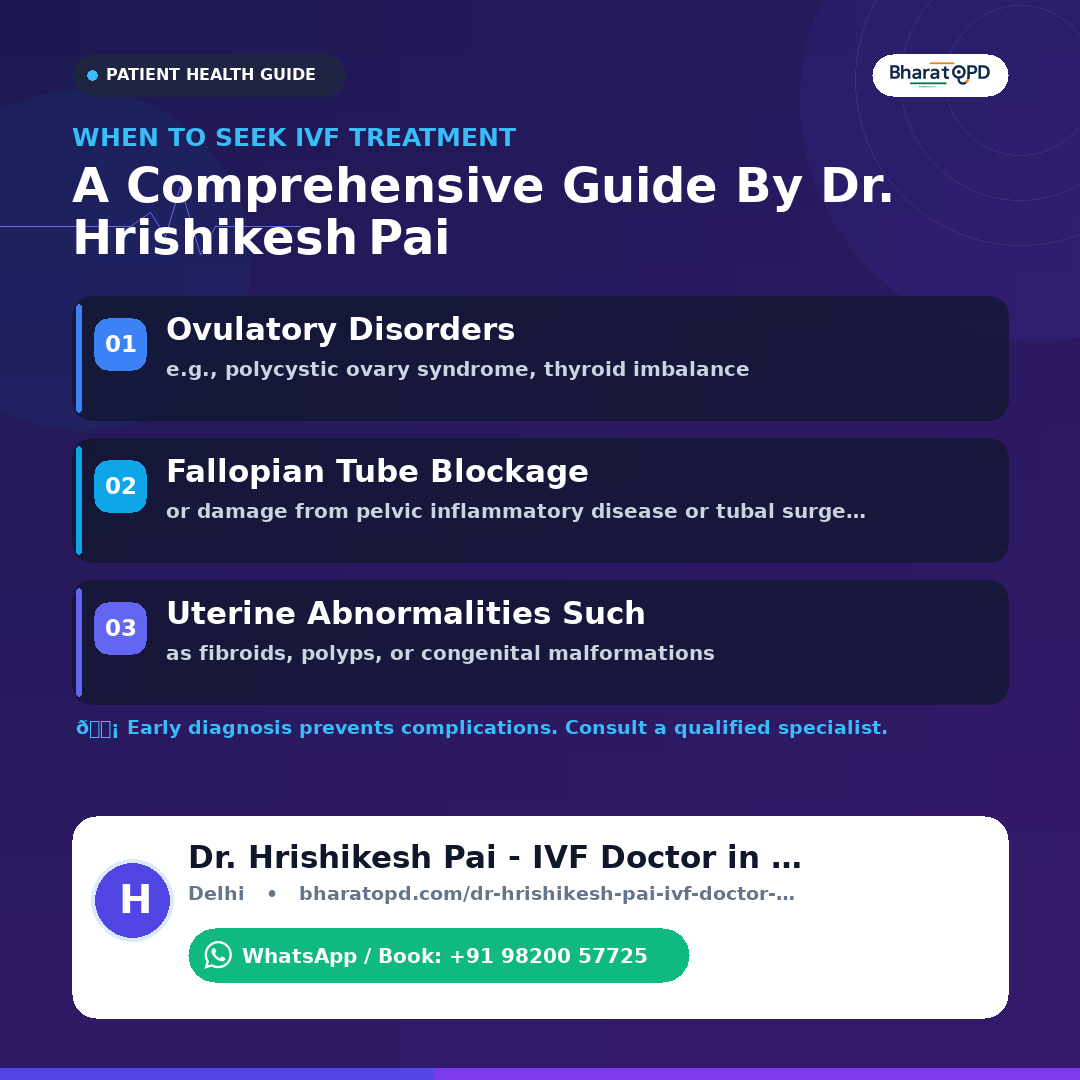
- Ovulatory disorders (e.g., polycystic ovary syndrome, thyroid imbalance)
- Fallopian tube blockage or damage from pelvic inflammatory disease or tubal surgery
- Uterine abnormalities such as fibroids, polyps, or congenital malformations
- Age‑related decline in egg quality, especially after 35 years
- Endometriosis, which can affect implantation
Male Factors
Male infertility accounts for roughly 30‑40 % of cases. Common issues are:
- Low sperm count or poor motility (often linked to lifestyle, heat exposure, or varicocele)
- Abnormal sperm morphology
- Hormonal imbalances (e.g., low testosterone)
- Obstructive causes such as vasectomy reversal or congenital absence of the vas deferens
- Genetic conditions like Klinefelter syndrome
Recognizing the Signs
Both partners should be alert to the following indicators:
- Irregular or absent menstrual cycles
- Painful periods or chronic pelvic pain
- Repeated miscarriage
- Decreased libido or erectile dysfunction
- History of sexually transmitted infections or pelvic surgeries
If any of these symptoms persist for six months or more, it is advisable to seek professional evaluation.
When to Consult a Specialist
In Delhi’s fast‑paced environment, waiting can add emotional strain. Consider seeing a fertility specialist when:
- You are under 35 years and have not conceived after 12 months of regular intercourse
- You are over 35 years and have not conceived after 6 months
- Either partner has a known medical condition that could affect fertility (e.g., diabetes, thyroid disease)
- There is a history of recurrent miscarriage (two or more)
- Previous fertility treatment has failed
Fortis LaFemme Hospital’s dedicated Reproductive Medicine Unit, located at S 549, Block S, Greater Kailash II, offers same‑day appointments for urgent cases.
Diagnostic Pathway at Fortis LaFemme
Dr. Hrishikesh Pai follows a step‑wise, evidence‑based protocol:
- Initial Consultation: Detailed medical, surgical, and sexual history; discussion of lifestyle factors unique to Delhi (e.g., air pollution exposure, diet)
- Baseline Blood Tests: Hormonal profile (FSH, LH, AMH, prolactin, TSH), infectious disease screening, and, if needed, genetic testing
- Imaging: Transvaginal ultrasound to assess ovarian reserve and uterine anatomy; hysterosalpingography (HSG) to check tubal patency
- Semen Analysis: Two separate samples collected after 2‑7 days of abstinence, analyzed in Fortis LaFemme’s on‑site laboratory
- Advanced Tests (if indicated): Laparoscopy for endometriosis, ovarian reserve testing (AMH), or sperm DNA fragmentation testing
The hospital’s integrated electronic health records ensure that all test results are available instantly, allowing Dr. Pai to discuss findings in the same visit when possible.
Treatment Options Available
Medical Management
For ovulatory disorders, Dr. Pai may prescribe clomiphene citrate, letrozole, or gonadotropins, monitoring response with serial ultrasounds. Thyroid or prolactin abnormalities are corrected with appropriate hormone therapy.
Surgical Interventions
Minimally invasive laparoscopy can treat endometriosis or remove tubal adhesions. Hysteroscopic polypectomy or myomectomy corrects intra‑uterine lesions that hinder implantation.
Assisted Reproductive Technologies
When less invasive measures are insufficient, Fortis LaFemme offers a full suite of ART:
- Intra‑uterine Insemination (IUI): Ideal for mild male factor or unexplained infertility; performed in a climate‑controlled lab to minimise the impact of Delhi’s high temperatures.
- In‑vitro Fertilisation (IVF): The cornerstone of modern fertility care. Dr. Pai’s team follows a “personalised protocol” that adjusts gonadotropin doses based on AMH levels, reducing the risk of ovarian hyper‑stimulation, a concern for patients living at sea level in Delhi.
- Intracytoplasmic Sperm Injection (ICSI): Used when sperm quality is compromised; the procedure is performed in Fortis LaFemme’s ISO‑5 clean‑room laboratory.
- Pre‑implantation Genetic Testing (PGT): For couples with recurrent miscarriage or known genetic disorders, PGT‑A (aneuploidy) or PGT‑M (monogenic) can be offered.
- Egg or Sperm Donation: The hospital follows the Assisted Reproductive Technology (Regulation) Act, 2021, ensuring ethical sourcing and legal compliance.
All IVF cycles are coordinated by a dedicated fertility coordinator who assists with medication schedules, travel arrangements to the lab (if needed), and financial counselling.
Preventive Measures and Lifestyle Tips
While not all causes are reversible, several steps can improve reproductive health, especially in Delhi’s unique environment:
- Maintain a Healthy Weight: BMI between 18.5‑24.9 kg/m² optimises ovulation.
- Balanced Diet: Incorporate seasonal fruits, leafy greens, and low‑fat dairy; limit processed foods high in trans‑fats.
- Limit Exposure to Air Pollution: Use N95 masks on high‑pollution days and keep indoor air filtered; oxidative stress can affect sperm quality.
- Avoid Heat Stress: Prolonged exposure to hot water, saunas, or laptops on the lap can lower sperm count.
- Quit Smoking & Limit Alcohol: Both are linked to decreased fertility in both sexes.
- Regular Exercise: Moderate activity (30 minutes, 5 days/week) improves hormonal balance.
- Manage Stress: Delhi’s fast pace can increase cortisol; yoga, meditation, or counseling at Fortis LaFemme’s wellness centre are helpful.
Practical Advice for Delhi Residents
Choosing the right time and place for treatment can reduce logistical hurdles:
- Travel Convenience: Fortis LaFemme Hospital is well‑connected via the Delhi Metro (Kailash Colony station) and multiple DTC bus routes.
- Financial Support: The hospital assists with Ayushman Bharat and other insurance claims; a transparent fee structure is posted on the website.
- Medication Storage: Delhi’s summer temperatures can exceed 40 °C. Use a refrigerator or insulated cooler for gonadotropins; Fortis LaFemme provides a temperature‑controlled locker for patients who cannot store meds at home.
- Timing of Appointments: Early‑morning slots reduce exposure to outdoor heat and traffic.
- Follow‑up Flexibility: Tele‑consultations are available for routine hormone monitoring, saving time for working couples.
Dr. Hrishikesh Pai emphasizes open communication; his team is fluent in Hindi, English, and Punjabi, ensuring that language barriers do not impede care.
Frequently Asked Questions
How long does an IVF cycle take at Fortis LaFemme?
A typical IVF cycle, from stimulation start to embryo transfer, spans 4‑6 weeks. Dr. Pai’s protocol aims to minimise medication days while maximising egg yield.
Is IVF covered by any government scheme?
Under the Assisted Reproductive Technology (Regulation) Act, 2021, certain IVF costs may be reimbursed through Ayushman Bharat for eligible families. The hospital’s financial counsellor can verify eligibility.
Can I undergo IVF if I have a chronic illness like diabetes?
Yes, provided the condition is well‑controlled. Dr. Pai works closely with endocrinologists to optimise blood sugar before starting treatment.
What is the success rate for IVF at Fortis LaFemme?
Success rates depend on age, diagnosis, and embryo quality. The clinic publishes its cumulative live‑birth rates annually in compliance with the National ART Registry of India (NARI).
Do I need a partner’s consent for donor egg or sperm cycles?
Indian law requires written consent from both spouses for donor gamete cycles. The hospital’s legal team assists in preparing the necessary documentation.