Learn what high blood pressure means, its causes, symptoms, when to consult a doctor, diagnostic tests, treatment options, and practical lifestyle tips tailored for Bengaluru residents at KIMS Hospitals.
What is Hypertension?
Hypertension, commonly called high blood pressure, is a condition where the force of blood against the artery walls is consistently elevated. In India, the prevalence of hypertension is rising due to urban lifestyles, dietary changes, and increasing stress levels. If left untreated, it can lead to serious complications such as heart attack, stroke, kidney disease, and vision loss.
Common Causes and Risk Factors
While many people develop hypertension without an identifiable cause (essential hypertension), several factors increase the risk:
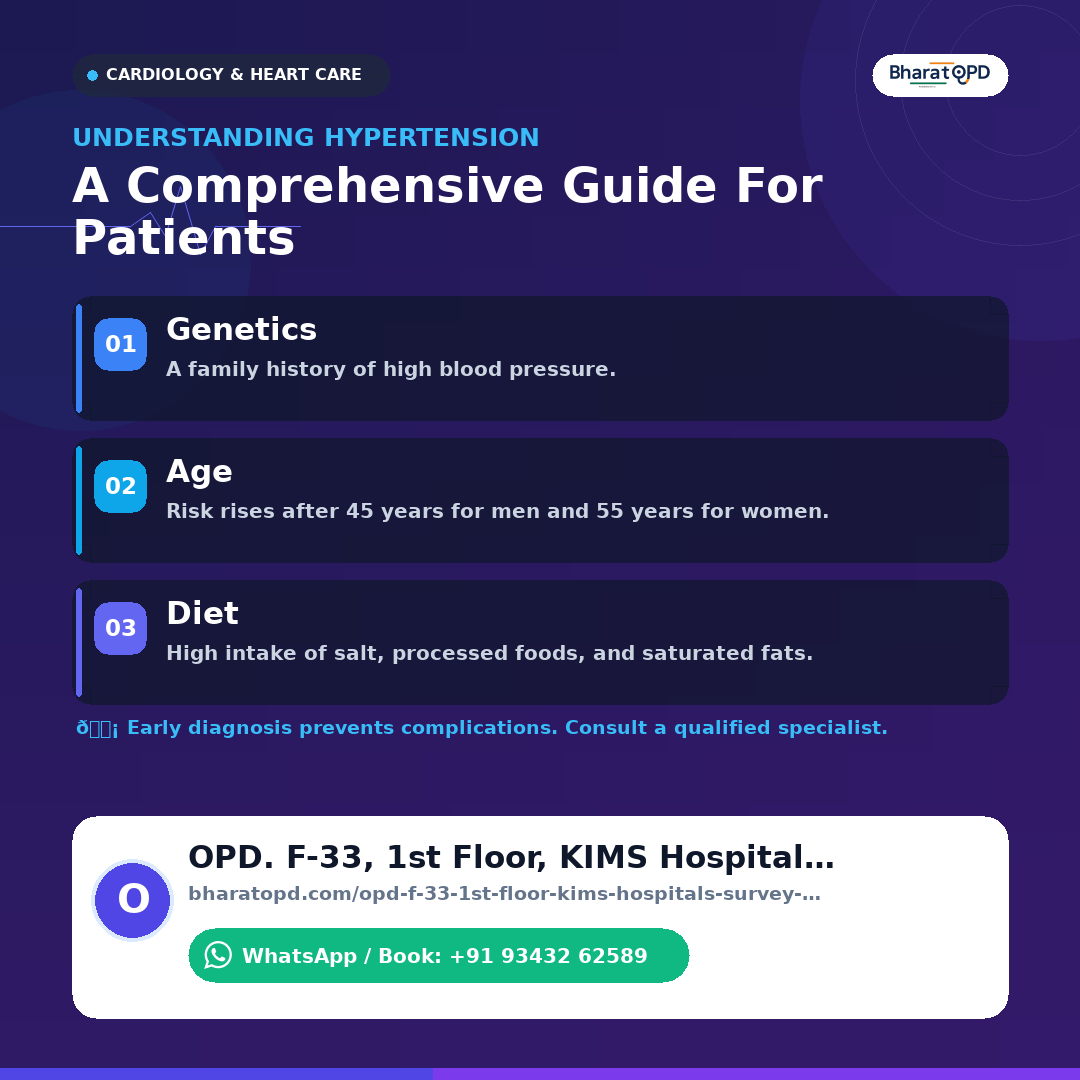
- Genetics: A family history of high blood pressure.
- Age: Risk rises after 45 years for men and 55 years for women.
- Diet: High intake of salt, processed foods, and saturated fats.
- Physical inactivity: Sedentary lifestyle common in office‑based jobs.
- Obesity: Body mass index (BMI) >25 kg/m².
- Alcohol and tobacco use.
- Stress: Chronic stress, especially in fast‑moving cities like Bengaluru.
Recognising the Symptoms
Hypertension is often called the "silent killer" because many people experience no obvious symptoms. When symptoms do appear, they may include:
- Headaches, especially in the morning.
- Dizziness or light‑headedness.
- Blurred vision.
- Chest discomfort.
- Shortness of breath during routine activities.
Because these signs are non‑specific, regular blood pressure checks are essential.
When to See a Doctor at KIMS Hospitals
If you notice any of the above symptoms, have a family history of hypertension, or have risk factors such as obesity or diabetes, schedule an appointment at the OPD of KIMS Hospitals, Mahadevapura. Our cardiology and internal medicine specialists evaluate each case individually and guide you through the management plan.
How Hypertension is Diagnosed
KIMS Hospitals follows the standard protocol recommended by the Ministry of Health and Family Welfare:
- Blood pressure measurement: At least two readings on separate days using a calibrated sphygmomanometer or automated device.
- Ambulatory Blood Pressure Monitoring (ABPM): 24‑hour monitoring for patients with borderline readings.
- Laboratory tests: Lipid profile, fasting blood glucose, kidney function tests, and electrolytes.
- Electrocardiogram (ECG) and Echoc Echo: To assess heart structure and function.
Our laboratory on the 1st floor of the OPD wing provides same‑day results, allowing quick decision‑making.
Treatment Options Available at KIMS Hospitals
Management of hypertension is a combination of medication and lifestyle changes. The hospital offers:
- Pharmacotherapy: ACE inhibitors, ARBs, calcium channel blockers, thiazide diuretics, and beta‑blockers, prescribed based on individual profile.
- Combination therapy: Fixed‑dose combinations to improve adherence.
- Regular follow‑up: Monthly OPD visits for dose titration and monitoring.
- Specialist referral: If needed, referral to our cardiology department for advanced care.
All medicines are sourced from our in‑house pharmacy, ensuring quality and affordability.
Lifestyle Modifications – Practical Tips for Bengaluru Residents
Living in Bengaluru offers unique challenges—traffic congestion, high temperatures, and a diet rich in South Indian delicacies. Here are evidence‑based steps you can adopt:
- Reduce Salt Intake: Aim for less than 5 g of salt per day. Replace table salt with herbs like coriander and curry leaves.
- Adopt the DASH Diet: Emphasise fruits (mangoes, papaya), vegetables (lady’s finger, beetroot), whole grains (ragi, millets), low‑fat dairy, and lean proteins.
- Stay Active: Walk or cycle for at least 30 minutes a day. Bengaluru’s many parks (e.g., Cubbon Park) provide safe spaces for exercise.
- Maintain Healthy Weight: Use the BMI chart; aim for 18.5–24.9 kg/m².
- Limit Alcohol & Tobacco: If you drink, keep it to ≤2 standard drinks per week; quit smoking.
- Manage Stress: Practice yoga or meditation at local studios (e.g., Art of Living centres) or use guided apps.
- Hydration: Drink 2–3 litres of water daily, especially during the hot summer months.
Our dietitian, available at the KIMS OPD, can create a personalised meal plan that respects local food habits while keeping sodium low.
Prevention Strategies Specific to the Region
Beyond individual choices, community‑level actions help curb hypertension:
- Regular Screening Camps: KIMS Hospitals conducts free blood pressure camps in schools and corporate offices across Mahadevapura.
- Air Quality Awareness: Bengaluru’s traffic contributes to air pollution, which can raise blood pressure. Use masks on high‑pollution days and keep indoor air clean with plants like snake plant.
- Public Transport Use: Opt for BMTC buses or Namma Metro to reduce sedentary commuting time.
Frequently Asked Questions
Can I control hypertension without medicines?
In early-stage hypertension, lifestyle changes alone may normalise blood pressure. However, regular monitoring is essential. If readings stay above 130/80 mm Hg, medication is usually required.
How often should I check my blood pressure?
For diagnosed patients, check at least once a week at home and bring the log to each OPD visit. For high‑risk individuals, weekly checks are advisable.
Is hypertension hereditary?
Family history increases risk, but environmental factors play a larger role. Adopting a healthy lifestyle can offset genetic predisposition.
Are herbal remedies safe?
Some herbs (e.g., garlic, hibiscus tea) may modestly lower blood pressure, but they should not replace prescribed medication. Discuss any supplement with your KIMS physician.
What is the target blood pressure for an Indian adult?
The Indian Hypertension Guidelines recommend 130/80 mm Hg for most adults, and 120/80 mm Hg for those with diabetes or chronic kidney disease.