A comprehensive guide on recognizing stroke symptoms, identifying risk factors, and knowing when to seek urgent care at Yatharth Hospital’s Neurosciences unit in Greater Noida West.
What Is a Stroke?
A stroke occurs when the blood supply to a part of the brain is interrupted or reduced, depriving brain tissue of oxygen and nutrients. Within minutes, brain cells begin to die. Prompt medical attention can limit damage and improve recovery chances.
Types of Stroke
There are three main types:
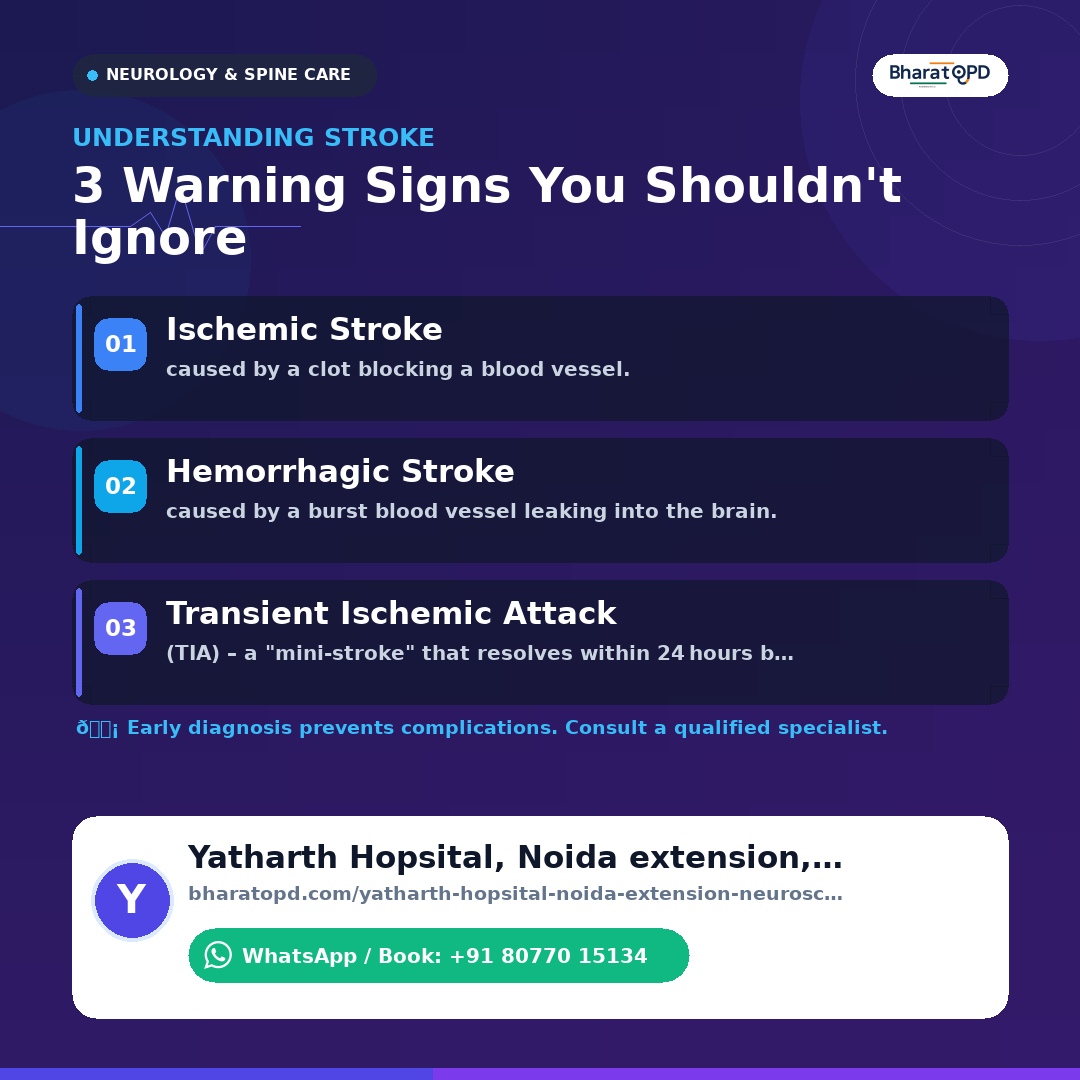
- Ischemic stroke – caused by a clot blocking a blood vessel.
- Hemorrhagic stroke – caused by a burst blood vessel leaking into the brain.
- Transient Ischemic Attack (TIA) – a "mini‑stroke" that resolves within 24 hours but signals a high future risk.
Key Warning Signs – The FAST Mnemonic
Remember the FAST acronym to spot a stroke quickly:
- Face drooping – one side of the face may appear uneven.
- Arm weakness – difficulty raising one arm.
- Speech difficulty – slurred or strange speech.
- Time to call emergency services – dial 112 immediately.
Other symptoms to watch for include sudden severe headache, vision changes, loss of balance, or confusion.
Common Risk Factors in India
Several lifestyle and medical factors increase stroke risk, many of which are prevalent in Indian populations:
- Hypertension – the single biggest modifiable risk.
- Diabetes mellitus – especially uncontrolled cases.
- High cholesterol and unhealthy diet rich in saturated fats.
- Smoking and tobacco chewing.
- Physical inactivity and obesity.
- Alcohol excess.
- Family history of stroke or cardiovascular disease.
When to See a Doctor
Immediate medical attention is required if you notice any FAST symptoms. Even if symptoms resolve (possible TIA), you must still visit a doctor within 24 hours.
For non‑emergency concerns, schedule an appointment if you have any of the following:
- Persistent headache with no clear cause.
- Repeated episodes of dizziness or loss of coordination.
- Uncontrolled blood pressure, diabetes, or cholesterol.
- Family history of stroke and you are over 40 years old.
How Stroke Is Diagnosed at Yatharth Hospital
Yatharth Hospital’s Neurosciences unit on the 3rd floor, chambers 1 & 2, is equipped with a 24‑hour emergency service and a dedicated stroke team. The diagnostic pathway includes:
- Clinical assessment – neurologist evaluates symptoms and medical history.
- CT scan (non‑contrast) – performed within 20 minutes of arrival to differentiate ischemic from hemorrhagic stroke.
- MRI – for detailed brain imaging when needed.
- Blood tests – to check glucose, lipids, coagulation profile.
- Carotid Doppler ultrasound – assesses blood flow in neck arteries.
- Echocardiography – identifies cardiac sources of clots.
Treatment Options Available
Acute Management
Time is brain. Yatharth Hospital follows internationally accepted protocols:
- Ischemic stroke – intravenous thrombolysis (tPA) if presented within 4.5 hours, or mechanical thrombectomy up to 24 hours for large‑vessel occlusions.
- Hemorrhagic stroke – blood pressure control, neurosurgical intervention to evacuate hematoma when indicated.
- Supportive care – airway protection, blood sugar management, and prevention of complications such as pneumonia.
Rehabilitation
After the acute phase, Yatharth Hospital offers a multidisciplinary rehabilitation program:
- Physiotherapy – regaining strength and gait.
- Occupational therapy – relearning daily activities.
- Speech‑language therapy – for aphasia or swallowing difficulties.
- Neuropsychology – cognitive assessment and counseling.
Secondary Prevention
Preventing a recurrent stroke is a lifelong commitment. The hospital’s preventive plan includes:
- Antiplatelet or anticoagulant medication as indicated.
- Blood pressure control – target ≤130/80 mmHg.
- Statin therapy for cholesterol management.
- Diabetes management – HbA1c ≤7 %.
- Lifestyle counseling – diet, exercise, smoking cessation.
Practical Tips for Residents of Greater Noida West
Living in the Bisrakh Jalalpur area, you have specific resources at hand:
- Keep the 112 emergency number saved on your phone. \n
- Identify the nearest ambulance service – many local providers have tie‑ups with Yatharth Hospital for direct transfer to the stroke unit.
- Maintain a printed copy of your medical records (blood pressure readings, diabetes logs) to show the emergency team.
- Join community health camps organized by Yatharth Hospital; they often include free blood pressure and glucose screening.
- Adopt a heart‑healthy diet: include whole grains, pulses, fresh vegetables, limit fried foods and sugary drinks.
When to Call Yatharth Hospital Directly
If you suspect a stroke but are unable to reach an ambulance immediately, you can call the hospital’s 24‑hour helpline at +91‑120‑XXXXXXX. Our staff will guide you on the nearest emergency facility and arrange rapid transfer.
Frequently Asked Questions
Can a stroke be cured?
Stroke damage is often permanent, but early treatment can limit the extent of injury and improve functional recovery. Ongoing rehabilitation and secondary prevention are essential for the best outcome.
How long does a CT scan take?
At Yatharth Hospital, a non‑contrast CT is performed within minutes of arrival, usually completed in under 10 minutes, allowing immediate treatment decisions.
Is there a “stroke window” for treatment?
Yes. Intravenous thrombolysis is effective up to 4.5 hours after symptom onset, while mechanical thrombectomy may be considered up to 24 hours for selected patients.
What should family members do while waiting for the ambulance?
Note the exact time symptoms began, keep the patient comfortable, do not give food or drink, and monitor breathing. If the patient loses consciousness, start CPR if trained.
Are there any financial assistance programs?
Yatharth Hospital works with several government schemes (e.g., Ayushman Bharat) and offers a self‑pay package for stroke care. Contact the hospital’s finance desk for eligibility details.